What I Will Take From My Vietnam Adventure
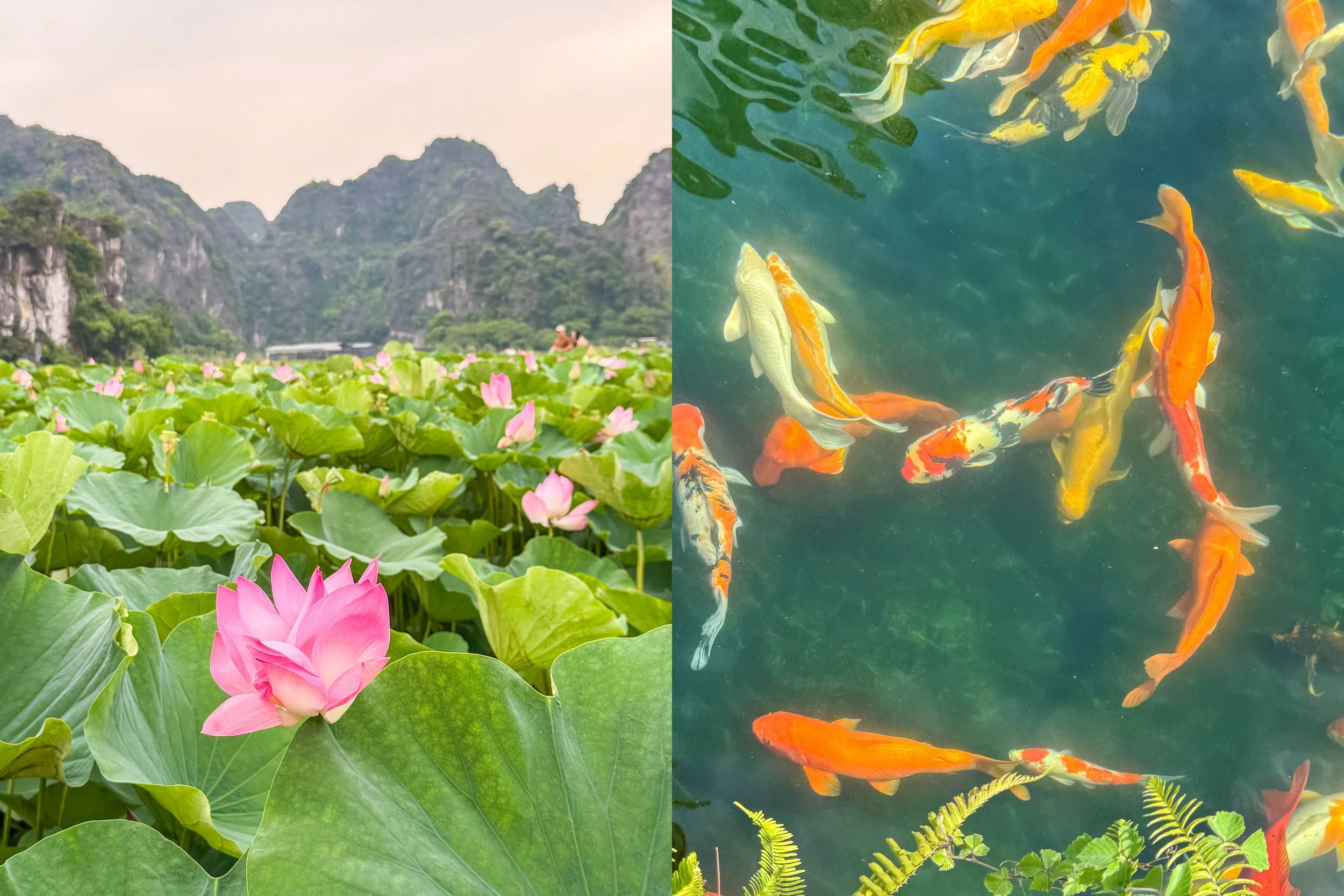
Respect Your Elders
What came through strongly in our conversations with Vietnamese people from all walks of life is their connection to their ancestors. Family and the history of their family is everything. Regardless of the age of the people we met, most of them were living with extended family. Grandparents, mum and dad, sisters, brothers, nieces and nephews all under the one roof.
This was not seen as a compromise. Multi generational living is one of the defining features of Vietnamese family life. Influenced by Confucian values, there’s a strong sense of responsibility to care for parents and grandparents. Rather than moving elderly relatives into retirement homes, families generally prefer to care for them at home.
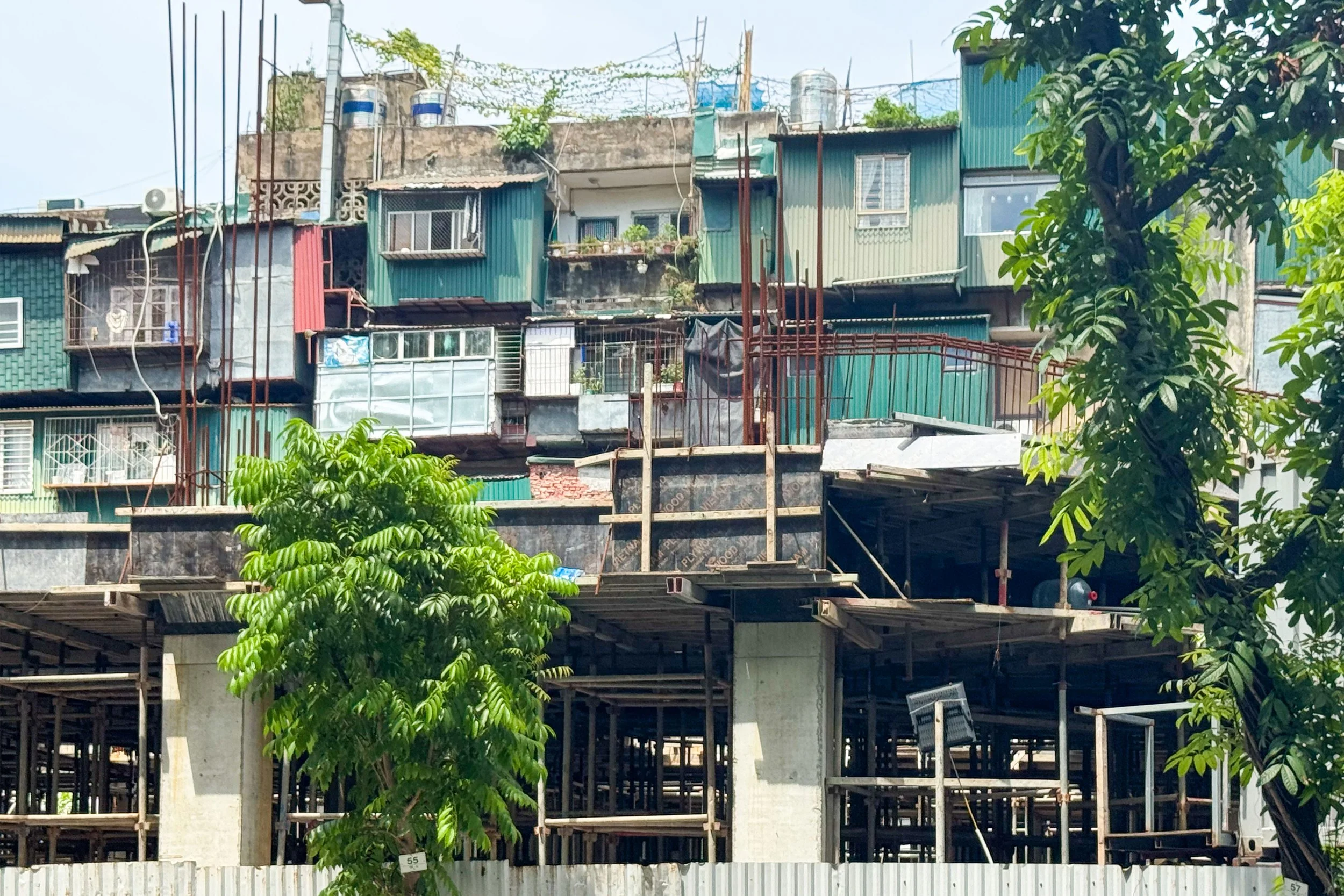
Housing is expensive relative to incomes, especially in cities like Saigon and Hanoi. Living together allows families to share costs and save money. Everyone helps each other - someone cooks, someone shops, someone cares for children or elderly relatives. It creates a strong support network.
Virtually all homes in Vietnam have an altar where images of ancestors are displayed and acknowledged daily. Regardless of religious beliefs, the ancestral altar is a display of honouring ancestors with a belief that they remain spiritually connected to the family and continue to watch over future generations.
This was a beautiful aspect of Vietnamese family life which came through so strongly and had Jason and I talking about our own heritage and how little we know of it. They don’t call us “New” Zealand for nothing, and beyond our grandparents, the ancestral line becomes pretty blurry for us as I’m sure is the case for many Kiwis. Maybe NZ in the future will know and honour more of our collective past…time will tell.
Forgiveness Is a Strength
Our tour guide in Ho Chi Minh City/Saigon, Hao, took us to The War Remnants Museum. We weren’t able to see everything in the limited time available, but there were two rooms in particular that he wanted us to see. One of these was filled with images from the American War, some so emotionally confronting that Jason and I were both in tears.
The other room was filled with images displaying the horrific and ongoing devastation from agent orange. I left the Museum feeling so incredibly angry at what the Vietnamese people had been subjected to and I was struggling to comprehend how several of the people we had spoken to had said the same thing, “we will forgive, but we will not forget”. I was struggling to forgive and it wasn’t even my war!
We discussed this further with Hao as we ironically zipped around Saigon in a vintage American Jeep. He explained that Confucianism places a high value on social harmony, respect, and fulfilling one's responsibilities to family and community. Buddhism, which has influenced Vietnamese culture even among those who aren't practising Buddhists, teaches compassion and the idea that anger harms the person who carries it.
Neither tradition encourages forgetting injustice, but both tend to emphasise rebuilding rather than revenge. This came through strongly in the people we met.
All You Need Is Rice
In several conversations we had, it was mentioned “If we have rice, we will be alright.” Rice isn't just food in Vietnam; it's symbolic of life itself. For centuries, a family's security was measured by whether they had enough rice to feed everyone until the next harvest. Even today, the Vietnamese greeting ‘Ăn cơm chưa?’ literally means ‘Have you eaten rice yet?’ but is often used much like asking, ‘How are you?’ It’s a reminder of how deeply food and wellbeing are connected.
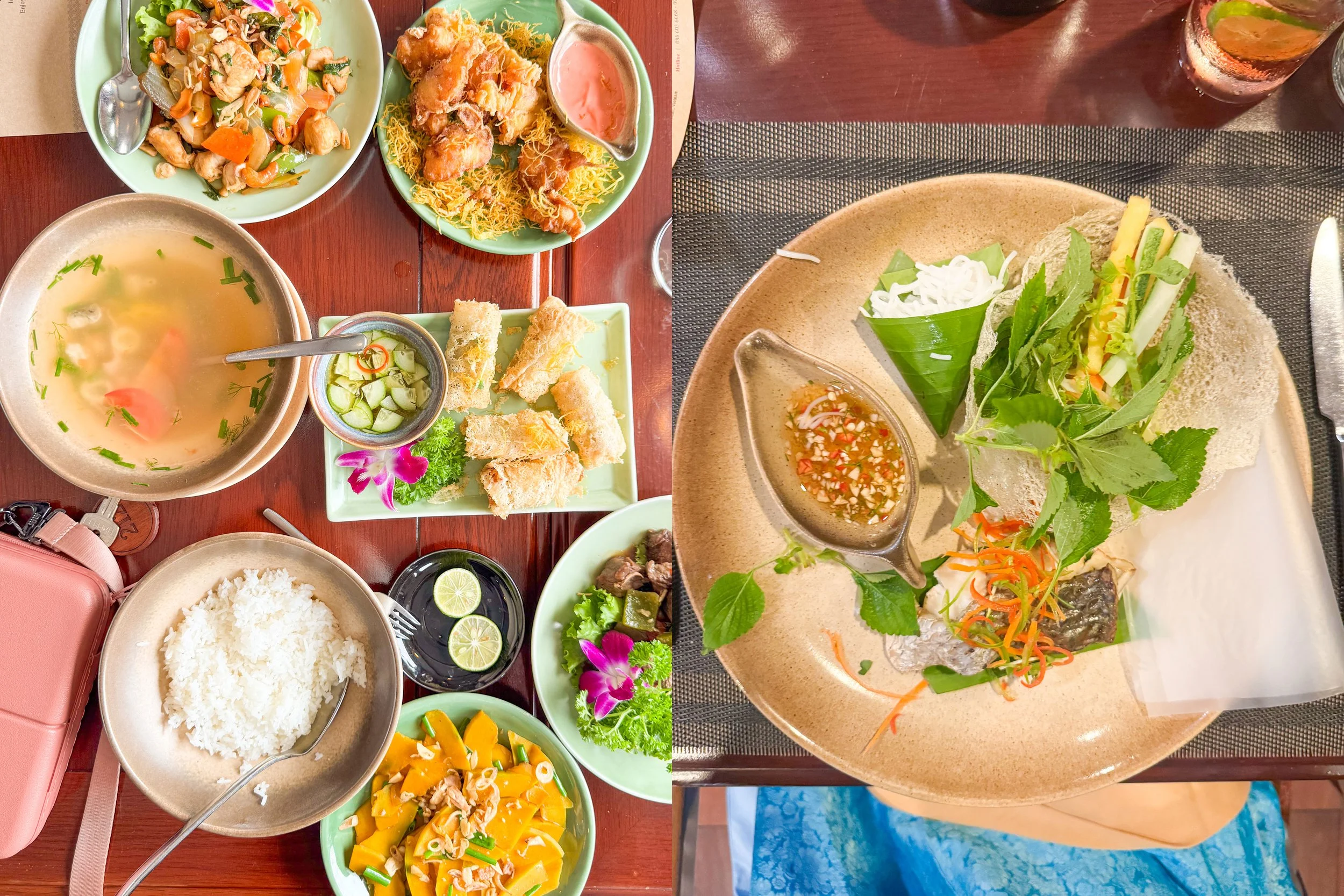
It’s not that the people we met don’t aspire to a better life, but there also seems to be an underlying resilience that says: ‘If life becomes difficult again, we’ll adapt. We know how to get through hard times.’
The people we met didn’t seem to equate happiness with luxury. Many appeared to take genuine pride in simple things: sharing meals, spending time with family, laughing with friends, or making us feel welcome. This is not taking away from the fact that many Vietnamese families, if given the choice, would understandably prefer greater comfort and security. The statement “If we have rice, we will be alright” isn't a rejection of prosperity, but does reflect a different perspective borne from everything the Vietnamese people have endured.
Two Wheels Can Do The Job Of Four
In both Hanoi and Saigon, the percentage of scooters on the road versus cars is approximately 96%! They are literally everywhere! One of our guides explained the way their road code operates. He said in NZ, when one person breaks the rules, everyone else gets angry with them. In Vietnam everyone breaks the rules, so they have created an entirely new road code of “I’ll let you get away with, if you let me get away with this” And strangely, it seems to work.
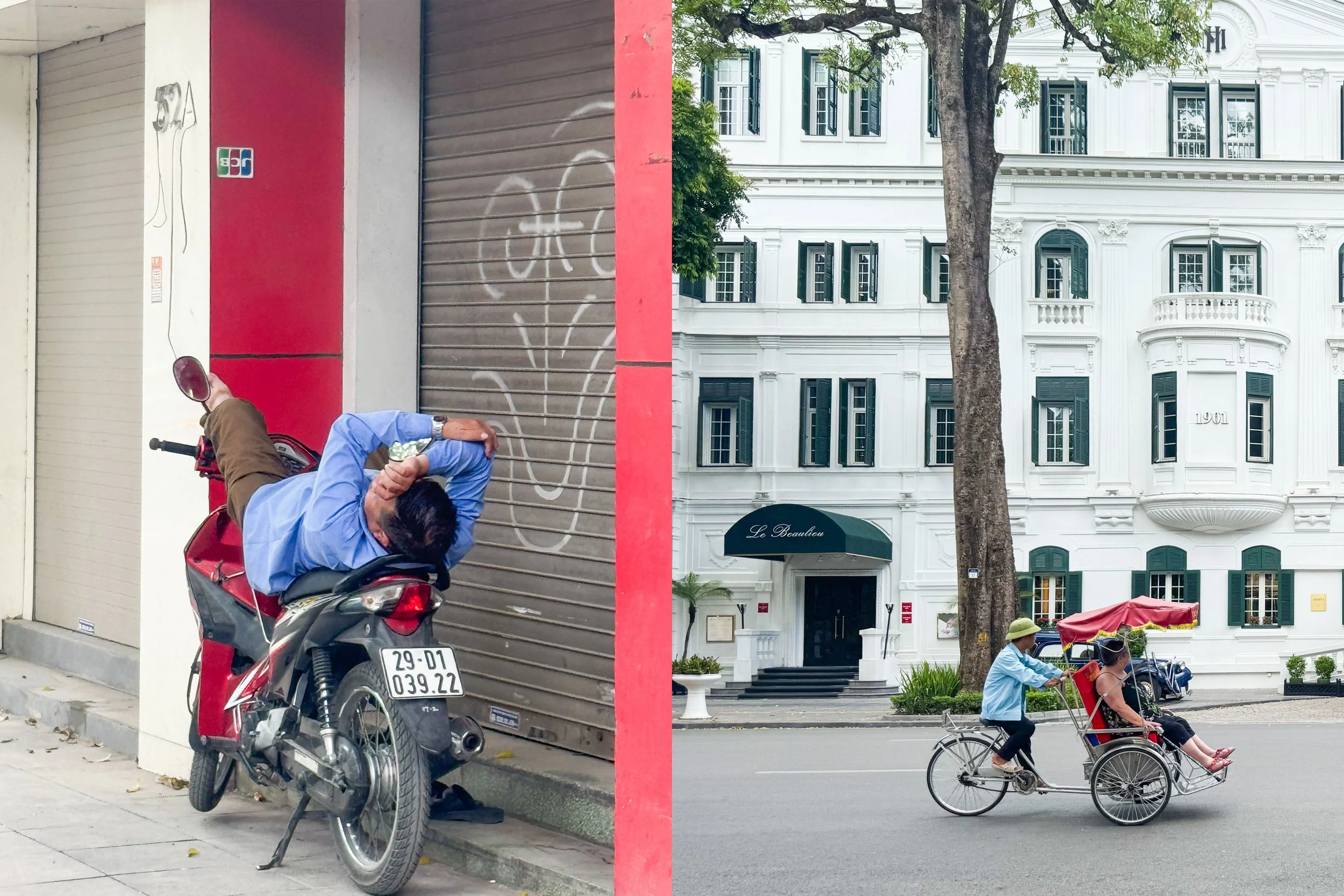
If you think a car is required to transport multiple people or large items across town, well you haven’t been in Vietnam traffic before. We saw families of four and large appliances being moved around town on a solitary scooter. Traffic seemed to keep moving, even in peak hour, with scooters nimbly weaving in and out and around and about. The tooting is relentless, but it’s not “Get out of my way” tooting, more “Hey, be aware I’m here” tooting. Everyone understands and abides, and whilst we elected to take Grabs (Uber) everywhere because the traffic terrified us, the people of Vietnam seem to have created an unofficial road code that works for them.
In cities as large as Hanoi and Saigon, with up to 14m people residing in the wider city limits, smaller vehicles just make good sense. That said, I’m pretty happy to leave that learning in Vietnam and stick to our conservative NZ road code thanks.
Not All Pho is Created Equal
Long before we decided to journey to Vietnam, I was enjoying weekly pho from my very local Vietnamese restaurant, Saigon Taste on Majoribanks Street. So, I was particularly excited to enjoy pho in the country it originated from.
Because I couldn’t pho at every meal, I limited my pho experiences to four, and they were all very different. I suppose much like ordering a pizza in Italy, not all pho is created equal. The flavour of the pho varies hugely based on the region you are eating it in and whether the pho is one of their specialty dishes. Sometimes it is just on the menu to appease travellers like me but isn’t necessarily the dish they are known for.
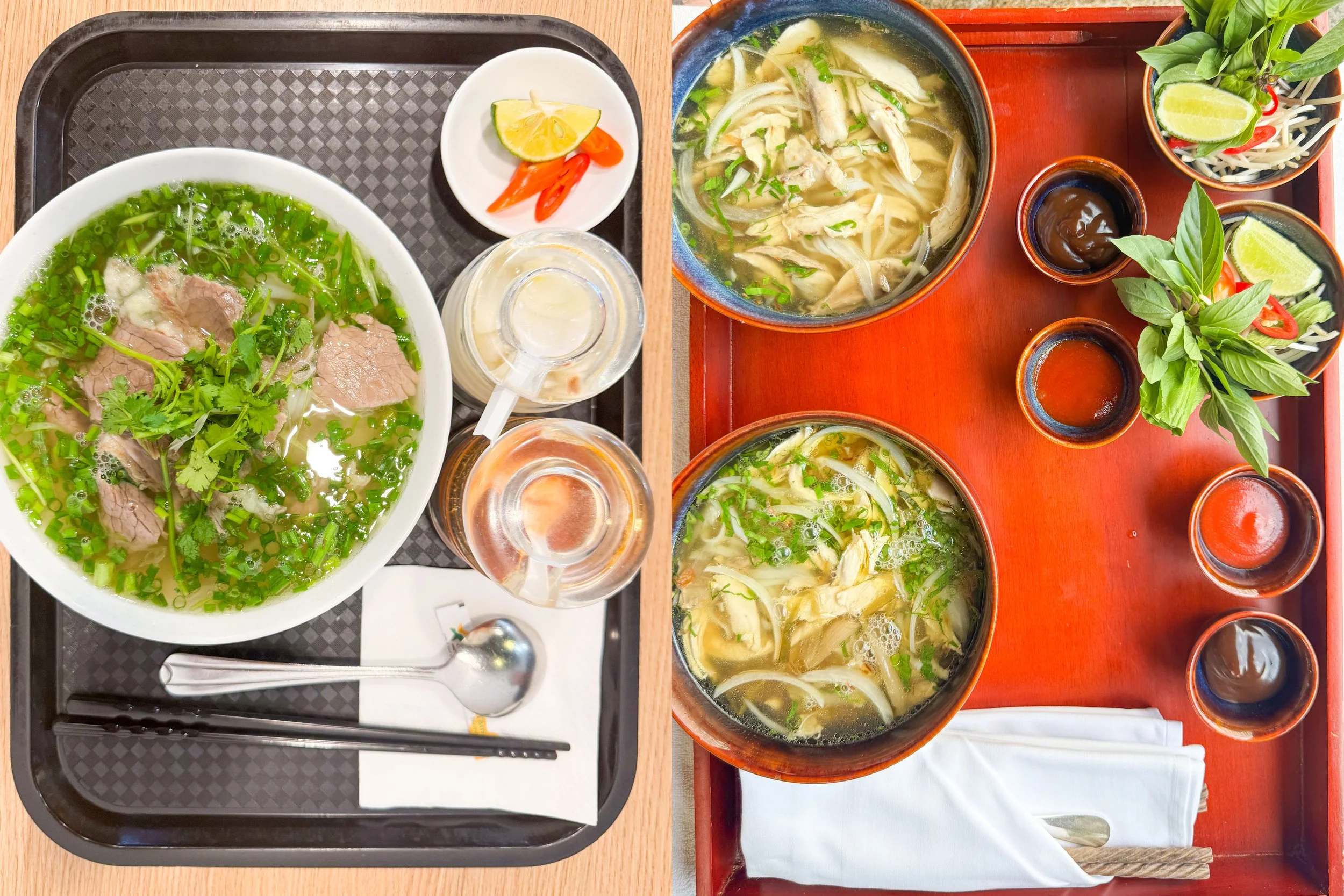
Ironically, the best pho that I enjoyed while in the home of the pho, was in Saigon. Park Hyatt Saigon served a delicious chicken pho which Jason and I thoroughly enjoyed pool side with a Bia Saigon beer.
But upon my return home I’m looking forward to what I consider to be the best pho globally, and that is from my local.