Mid-Century Details With Bella Foster
As the third member of the Anji Foster Property team, I work behind the scenes pulling the bulletin together and creating content for our social media pages, and after almost 2 years on the job, we thought it was about time I formally introduced myself…
Alongside my work for Anji Foster Property, I’m also an artist, specializing in photography and acrylic painting. If you’re an avid reader of the Bulletin, you may have seen some of my work featured over the years. My work is heavily inspired by mid-century modern design, colours and influences, it’s easy to see where I got my love for design and property from (thanks Anji)!
So for my little takeover of the Journal today, I wanted to share some of my favourite aspects of mid-century design and how I would use them in a modern 2026 home. So, whether you’re looking to re-decorate a space in your own home or simply love appreciating excellent design and interiors, read on…
01 - Warm Timber Furniture
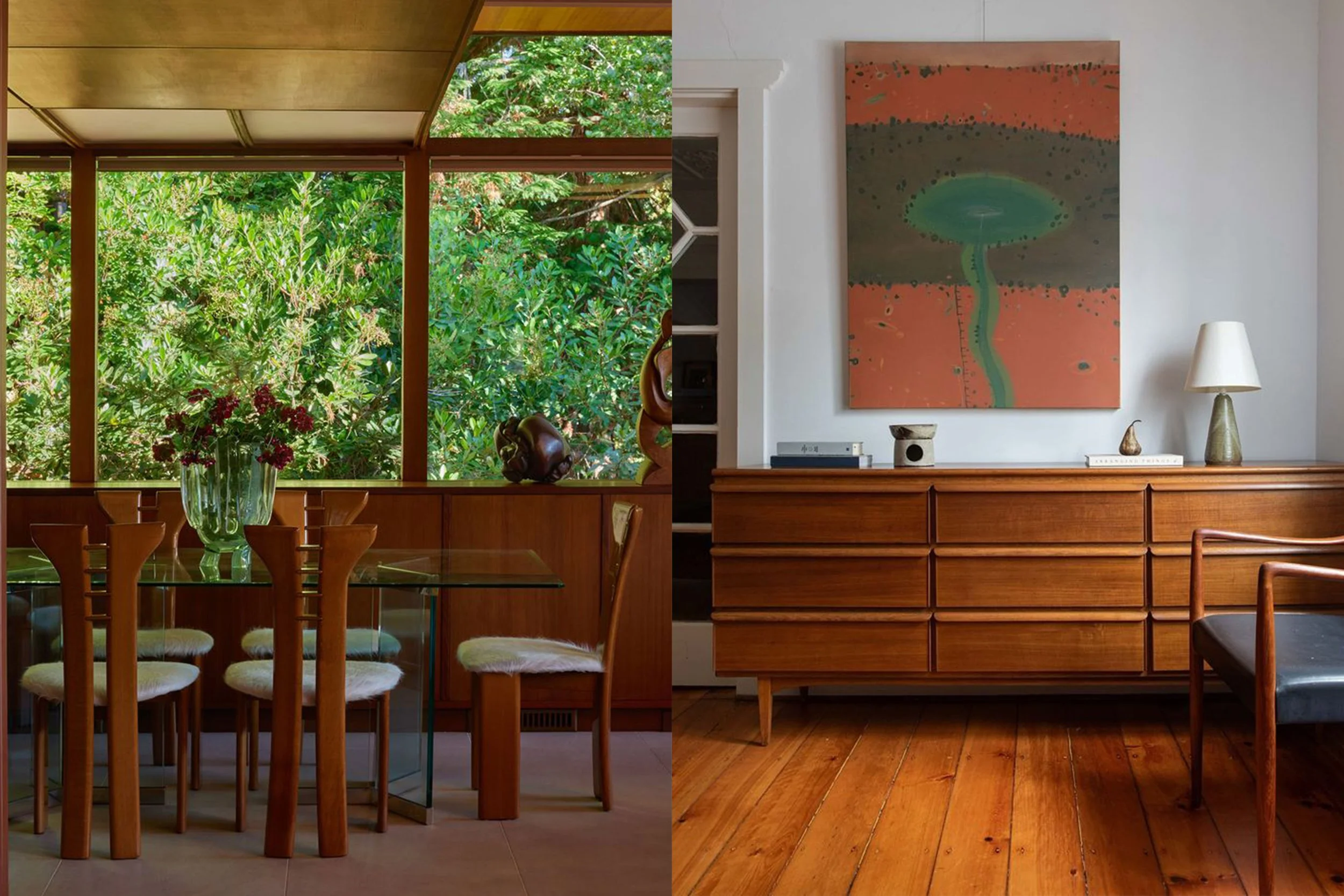
Few materials are as closely associated with mid-century modern design as rich timber. Rather than filling a room with oversized furniture, mid-century pieces feature clean silhouettes, tapered legs, and thoughtful craftsmanship. In 2026, these timeless designs continue to pair effortlessly with contemporary interiors, offering character without overwhelming a space.
02 - Earthy Colours
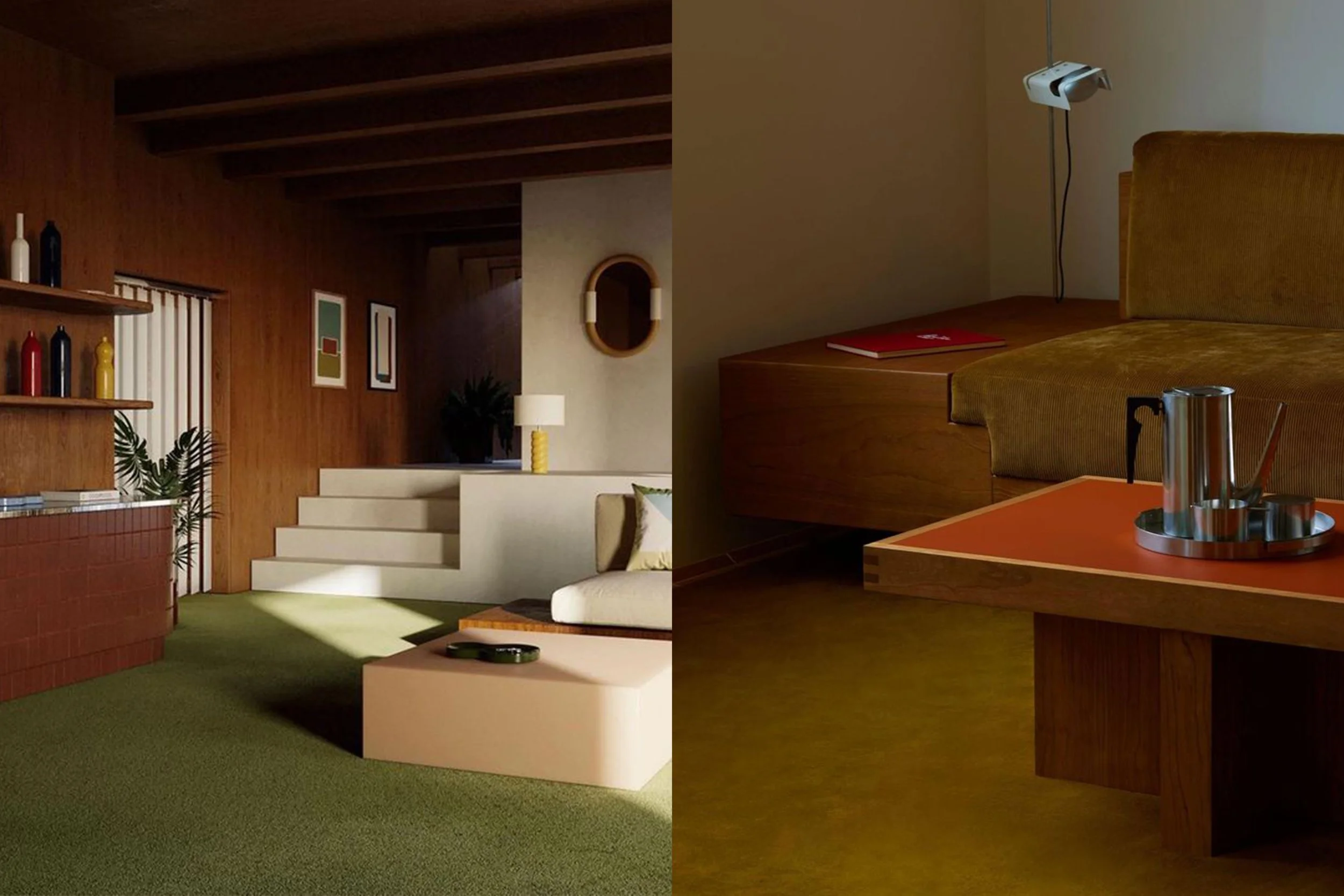
Mid-century interiors embraced colour in a way that still feels fresh today. Mustard yellow, olive green, burnt orange, deep teal, and warm browns created spaces that felt inviting rather than overpowering. Today's designers are reintroducing these colours through feature walls, upholstery, artwork, and decor, often pairing them with neutral backgrounds to create a balanced and modern aesthetic.
03 - Organic Shapes
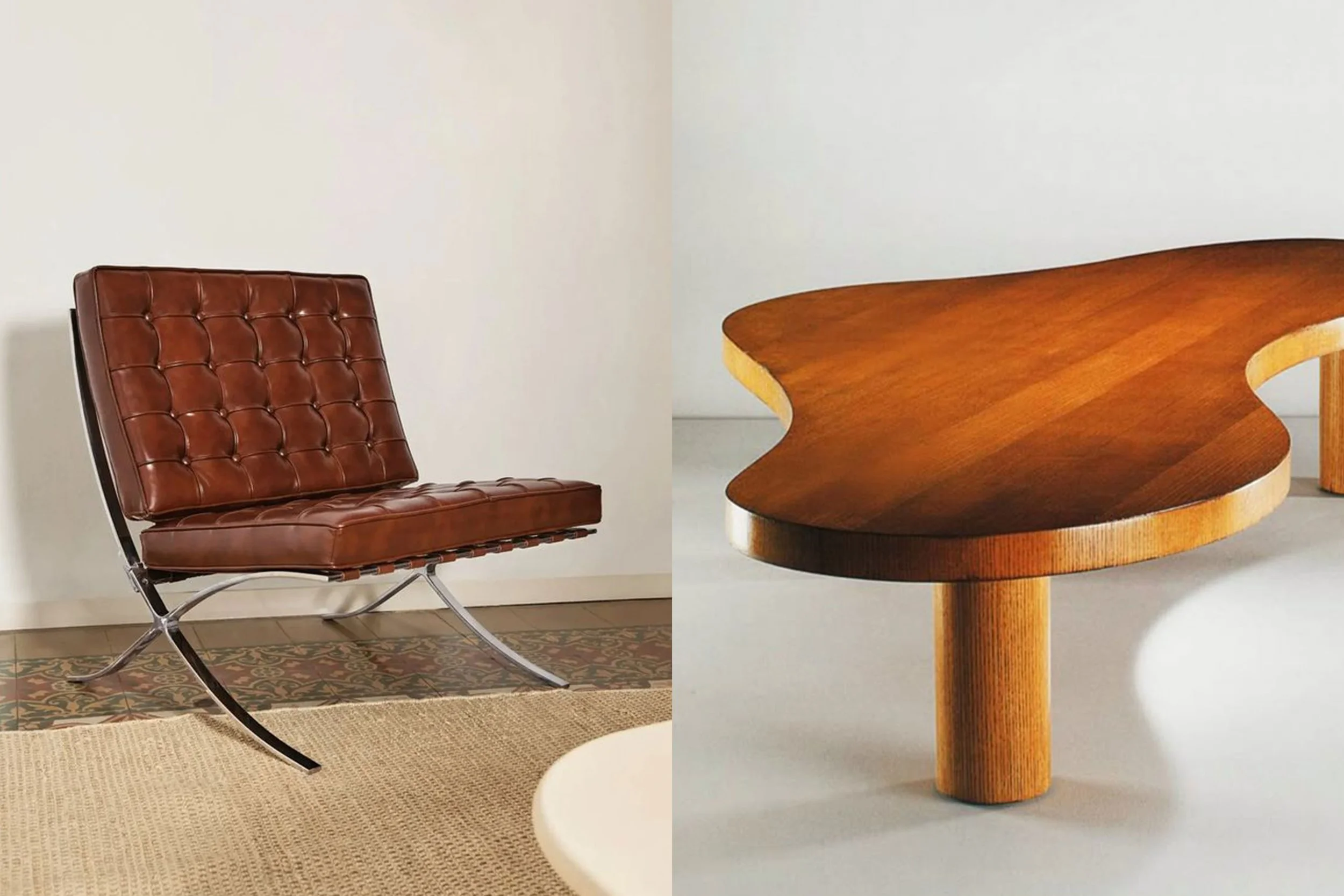
One of the movement's defining characteristics was its move away from rigid, traditional forms in favour of softer, organic curves. Rounded coffee tables, sculptural lounge chairs, curved sofas, and asymmetrical mirrors continue to dominate interior trends. These shapes soften modern homes filled with straight architectural lines, creating spaces that feel both comfortable and visually interesting.
04 - Bringing Nature Indoors
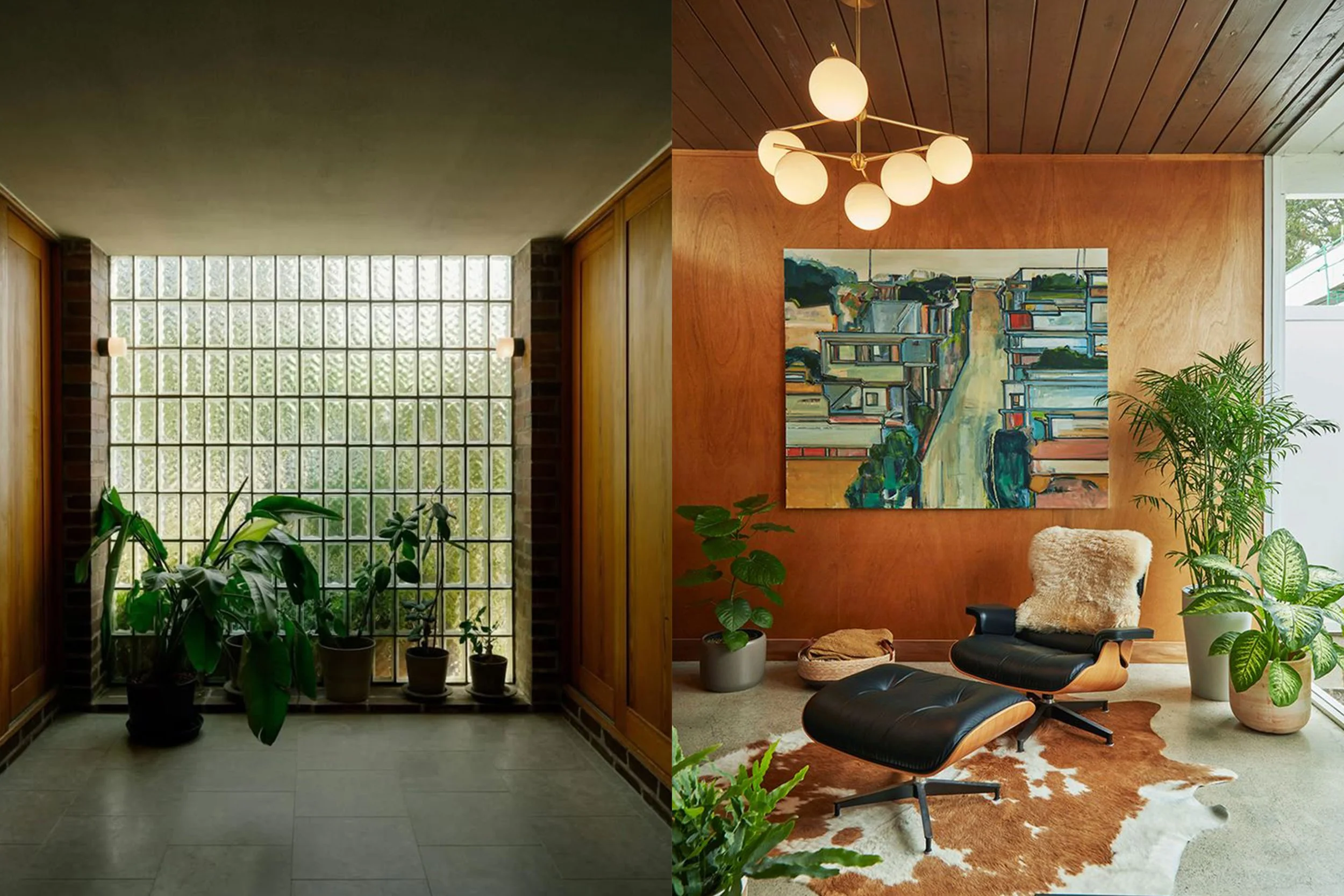
Mid-century architects believed homes should connect seamlessly with the outdoors. Large windows, indoor plants, natural materials, and open layouts helped blur the line between inside and outside. While not every home can feature floor-to-ceiling glass, the philosophy remains highly relevant. Incorporating greenery, natural textures, and plenty of daylight has become a defining feature of contemporary interior design.
05 - Statement Lighting
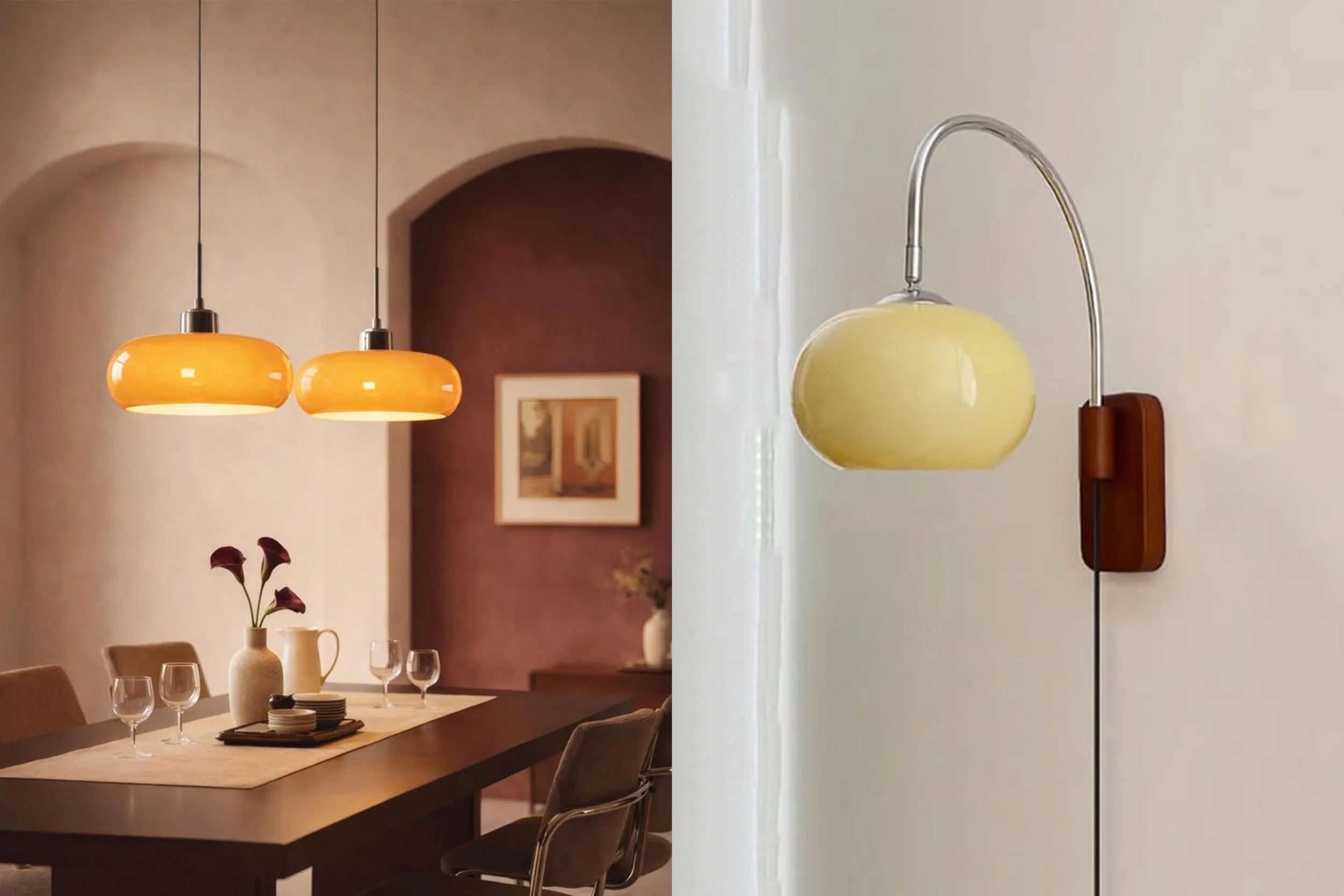
Lighting became an art form during the mid-century era, with iconic pendant lights, globe lamps, and sculptural floor lamps acting as focal points within a room. These designs continue to inspire contemporary lighting collections, proving that a well-designed light fixture can be just as impactful as a piece of furniture.